About Me
Hello!
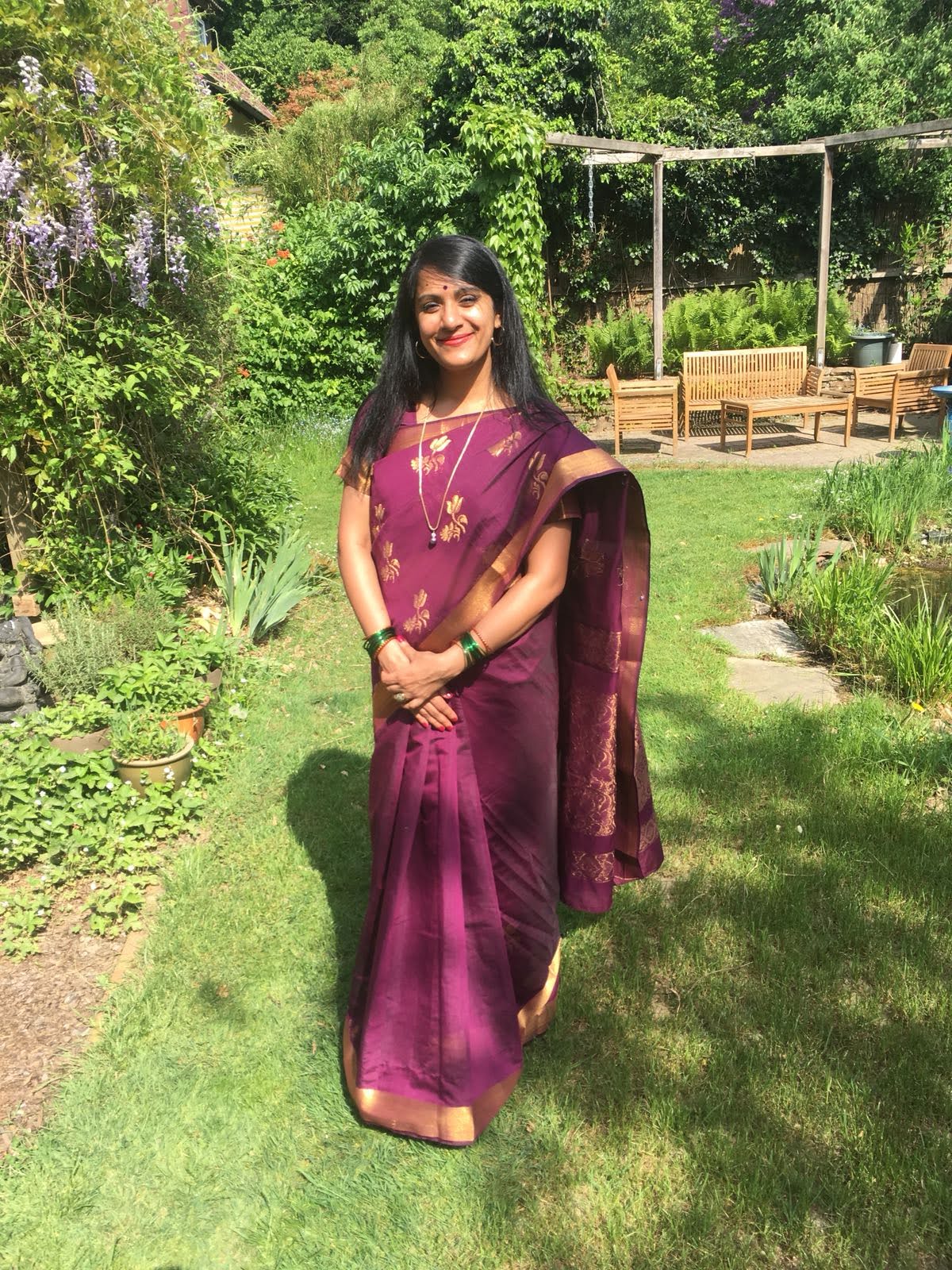
Behind WundPal is me – DGKP Vasantha Kronberger, M.Sc. Some people call me Santa.
My professional experience, my professional development and my personal values form the foundation on which WundPal was built. First, I would like to introduce myself professionally and personally before telling you about my vision for WundPal.
Professional Journey & Nursing Qualifications
Click on the individual stages to learn more.
Since 03/2026 – Self-employment with WundPal
Founding and development of WundPal Wound Management & Palliative Care e.U.
07/2024 – 02/2026 – Wound Management
WPM Wundpflege Management GmbH, Bad Pirawarth
02/2023 – 06/2024 – Wound Management, Emergency & Surgical Outpatient Department
Outpatient Centre & Wound Management Team, University Hospital Tulln
07/2020 – 11/2021 – Cardiac Intensive Care
Ordensklinikum Linz Elisabethinen
05/2018 – 06/2020 – Acute Geriatrics & Rehabilitation
Ordensklinikum Linz Barmherzige Schwestern
2015 – 2018 – Nursing Education
Berufsförderungsinstitut Linz
2022 – 2023 – Certified Wound Management
Certified Wound Management®, ZWM Academy G. Kammerlander, Austria
Palliative Care & Palliative Wound Care
Practical experience on a palliative care ward, as well as professional training and seminars in palliative care. Planned: December 2026 – Palliative Wound Care Consultant training at Wundmitte, Stuttgart, and 2028 – Interprofessional Palliative Care Programme through the Lower Austrian Hospice Association.
Who I Am Professionally
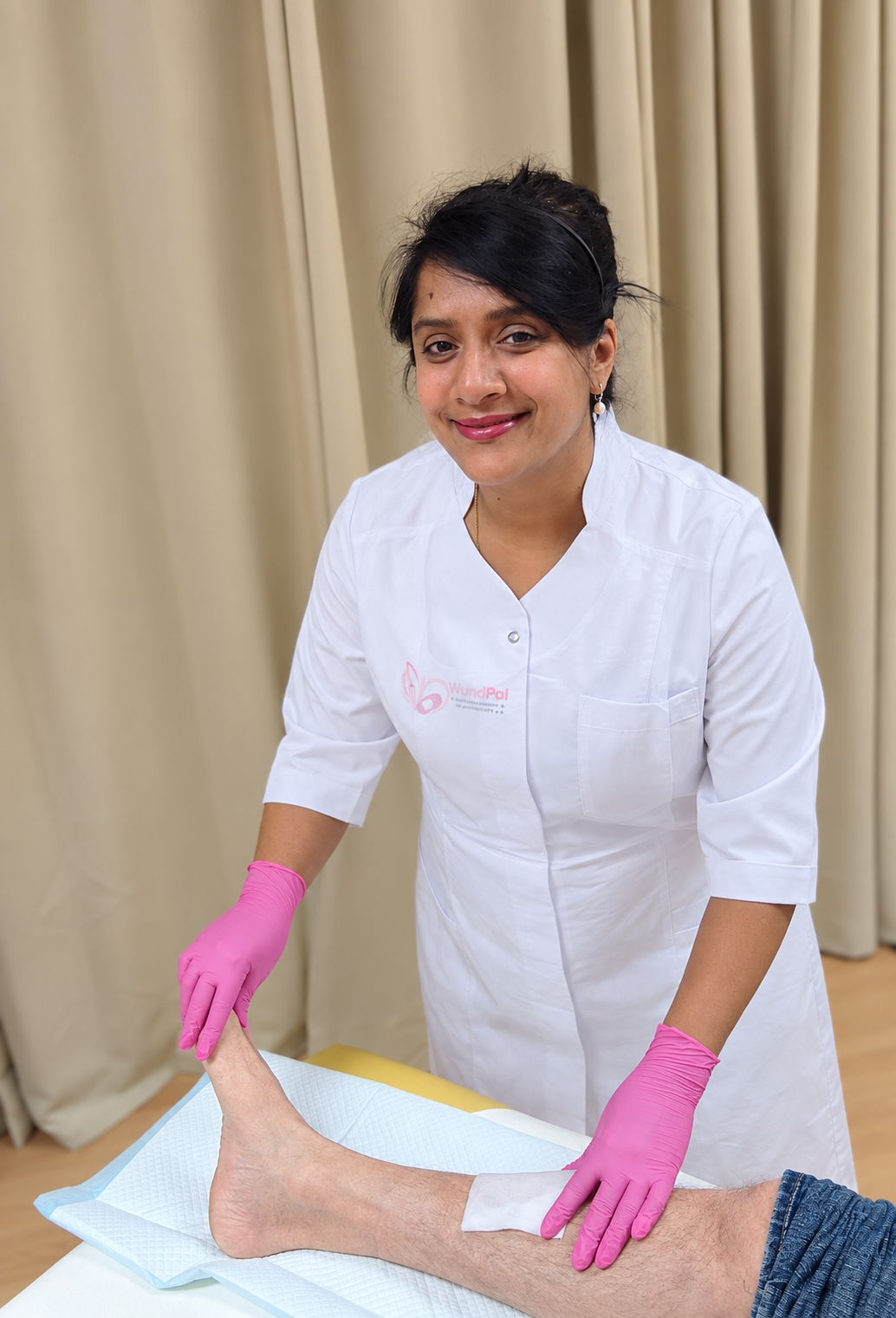
My professional journey has certainly not been a straight one. It began after completing my Bachelor's degree in Mechanical Engineering in India, followed by a Master's degree at the University of Stuttgart, Germany. Technology, precision and analytical thinking fascinated me even then, and I've carried this enthusiasm with me. The structured and solution-oriented thinking I developed during that time still accompanies me today. I work as paperlessly as possible and use digital solutions wherever they make sense. With patience and curiosity, I also used HTML and developed this website one step at a time.
But technology alone was not enough for me in the long term. Over time, I became increasingly aware, that my personal strengths and potential were better expressed in working with people – understanding their needs and life situations and being able to accompany and support them directly. That is why I decided to make a new professional start in 2015 and became a registered nurse. Looking back, this was one of the most important and challenging decisions of my life.
We do not always have to define exactly
who we are or what we are meant to do.
It is often the turns and climbs along the way
that shape our personal journey.
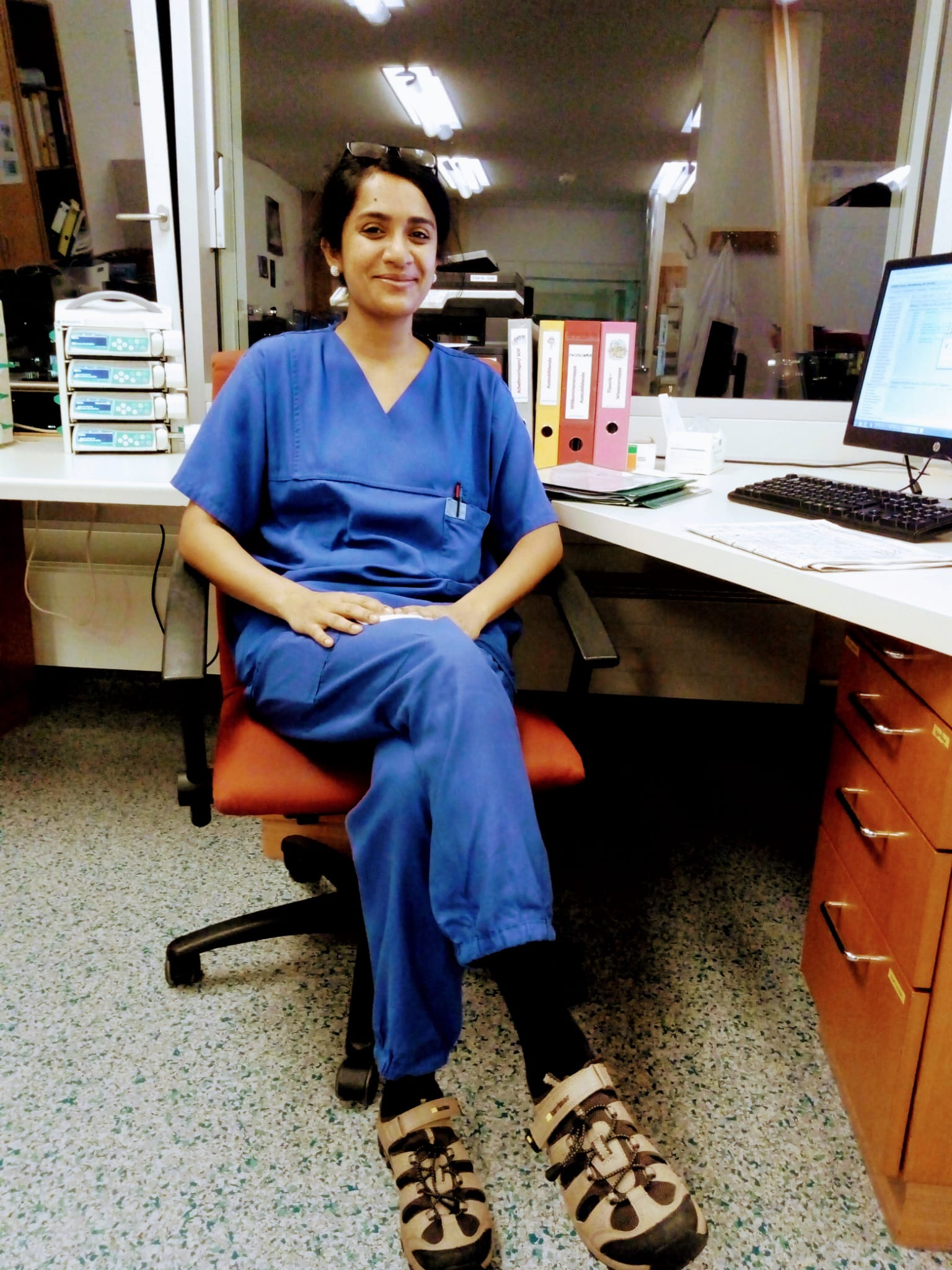
Cardiac Intensive Care Unit Elisabethinen, Linz
I gained my first professional experience at Ordensklinikum Linz. A particularly formative period was my placement on the palliative care ward of Barmherzige Schwestern. I became aware of how valuable palliative care is and how often, due to limited staffing and time, it cannot be provided to the extent that would be desirable. On the rehabilitation and mobilisation ward at Barmherzige Schwestern, I experienced how important patience, motivation and holistic care are for the recovery process of older patients. I subsequently worked in the cardiac intensive care unit at Elisabethinen, where state-of-the-art medicine and highly complex therapies were part of everyday life. In intensive care, everything is done to preserve life. In palliative care, on the other hand, quality of life, dignity, symptom relief and the individual wishes of a person are at the centre. The contrast between intensive care and palliative care fundamentally changed my perspective on nursing.
At the same time, I discovered my passion for wound care. I was fascinated not only by the medical complexity of chronic wounds, but above all by the opportunity to accompany people over a longer period of time, identify underlying causes and work together to find sustainable solutions. Unfortunately, this kind of time for individual care is often lacking in busy everyday healthcare.
With WundPal, I consciously chose self-employment. It is not a side project or an activity I pursue alongside another profession. For me, WundPal is more than the founding of a company. I want to continue developing my professional path independently, with complete responsibility, time and personal commitment – without knowing today, exactly where this journey will lead.
I would like to use a verse from the Bhagavad Gītā as one of my personal guiding principles:
“You have a right to action,
never to its fruits.”
And Who Am I Privately?
There is also much outside my professional life that inspires, moves and enriches me. Here are a few glimpses into my private life...
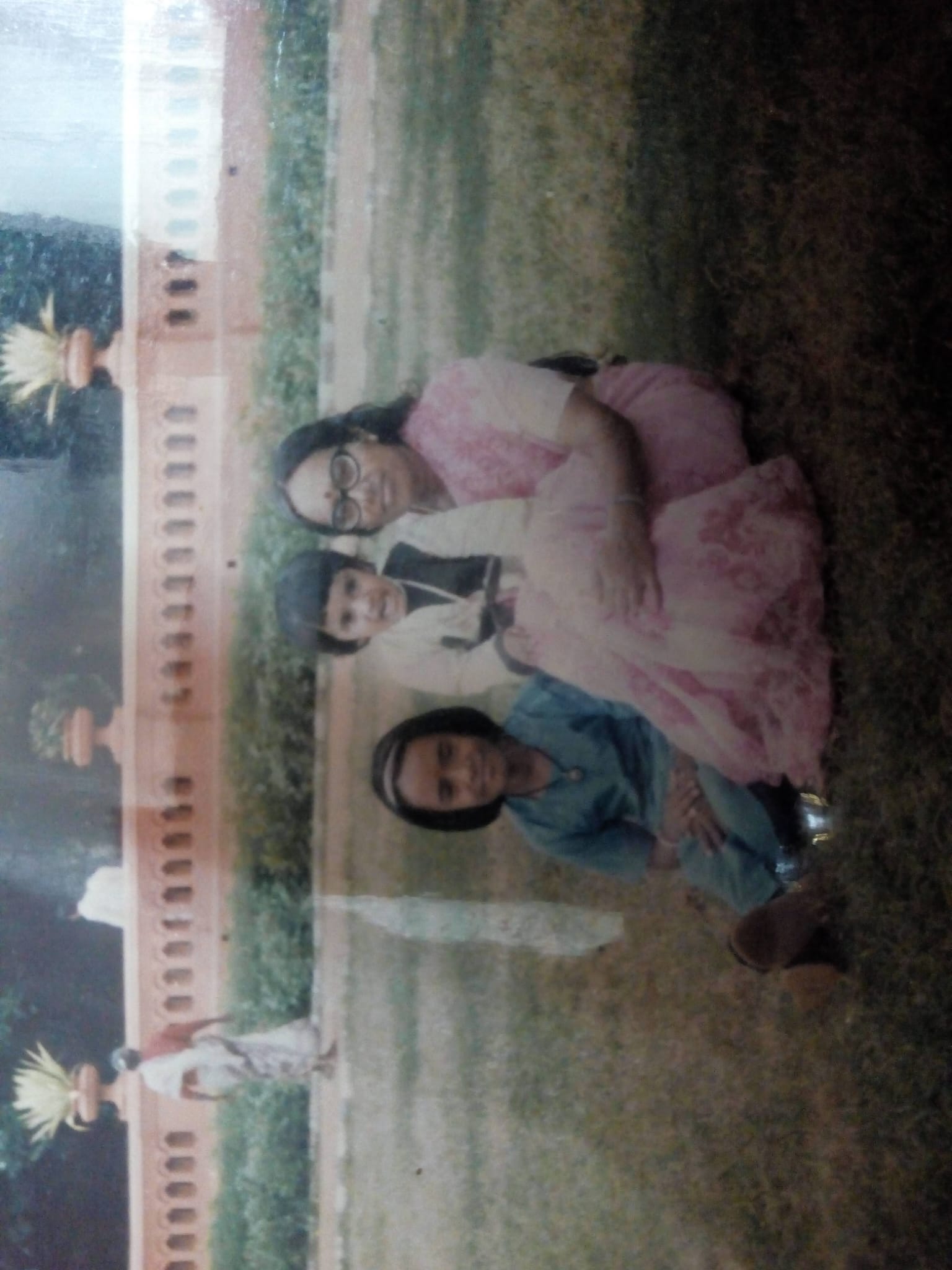
With my mother and older sister, 1987
I was born in southern India. My mother was the most important influence in my older sister's and my life. From the very beginning, she devoted herself entirely to us children and stayed by our side until her last day. She was simply there – with all her love, care and attention. This experience deeply shaped me and is part of what makes me who I am, both as a person and in my work.
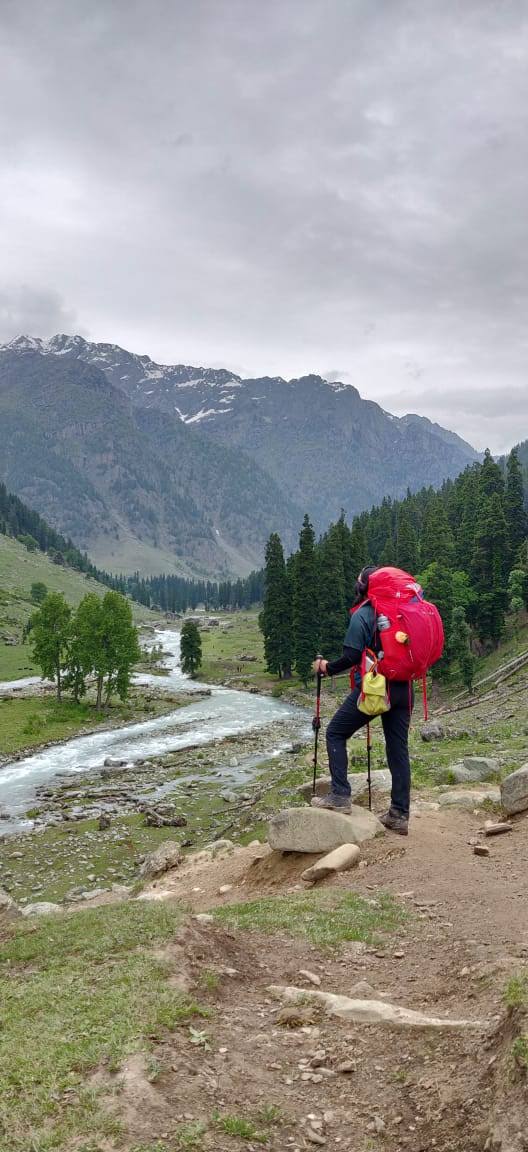
This is Kashmir in India!
India's cultural and religious diversity taught me that differences are part of life – and that tolerance begins where we allow others to follow their own path.
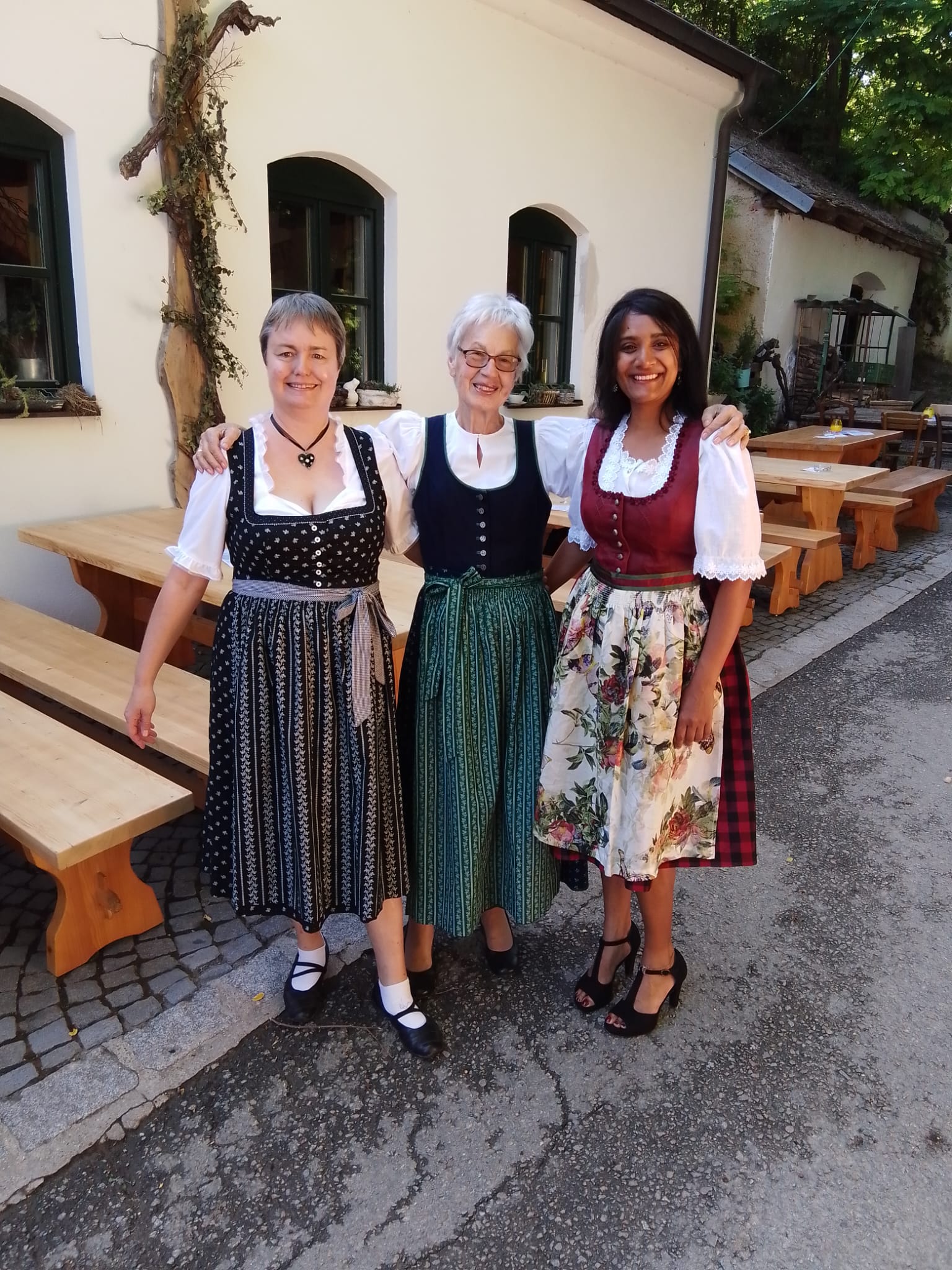
Visit to a traditional wine tavern with my sister-in-law and mother-in-law.
Today, Austria is my home. Both cultures are part of me and have shaped who I am. I am grateful to feel at home in two cultures. They have taught me to meet people with curiosity, appreciation and without prejudice – regardless of their background, language or life story.
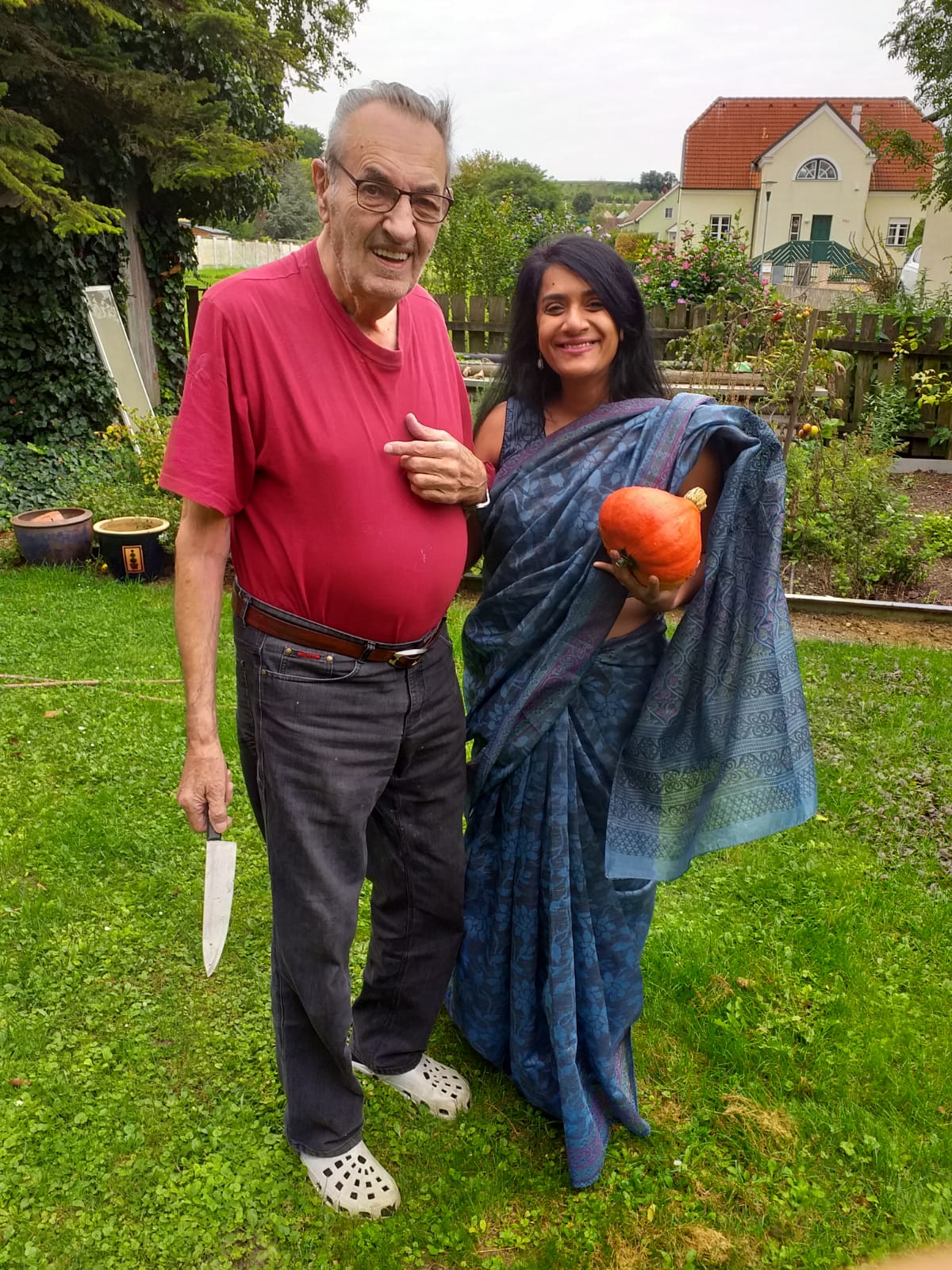
Pumpkin harvest at my father-in-law's home.
I have always been fascinated by languages. I speak German, English, Hindi, Kannada and Tamil, and I also enjoy studying Sanskrit. Every language opens up a new perspective on people, their culture and their history – and I look forward to continually expanding my knowledge.
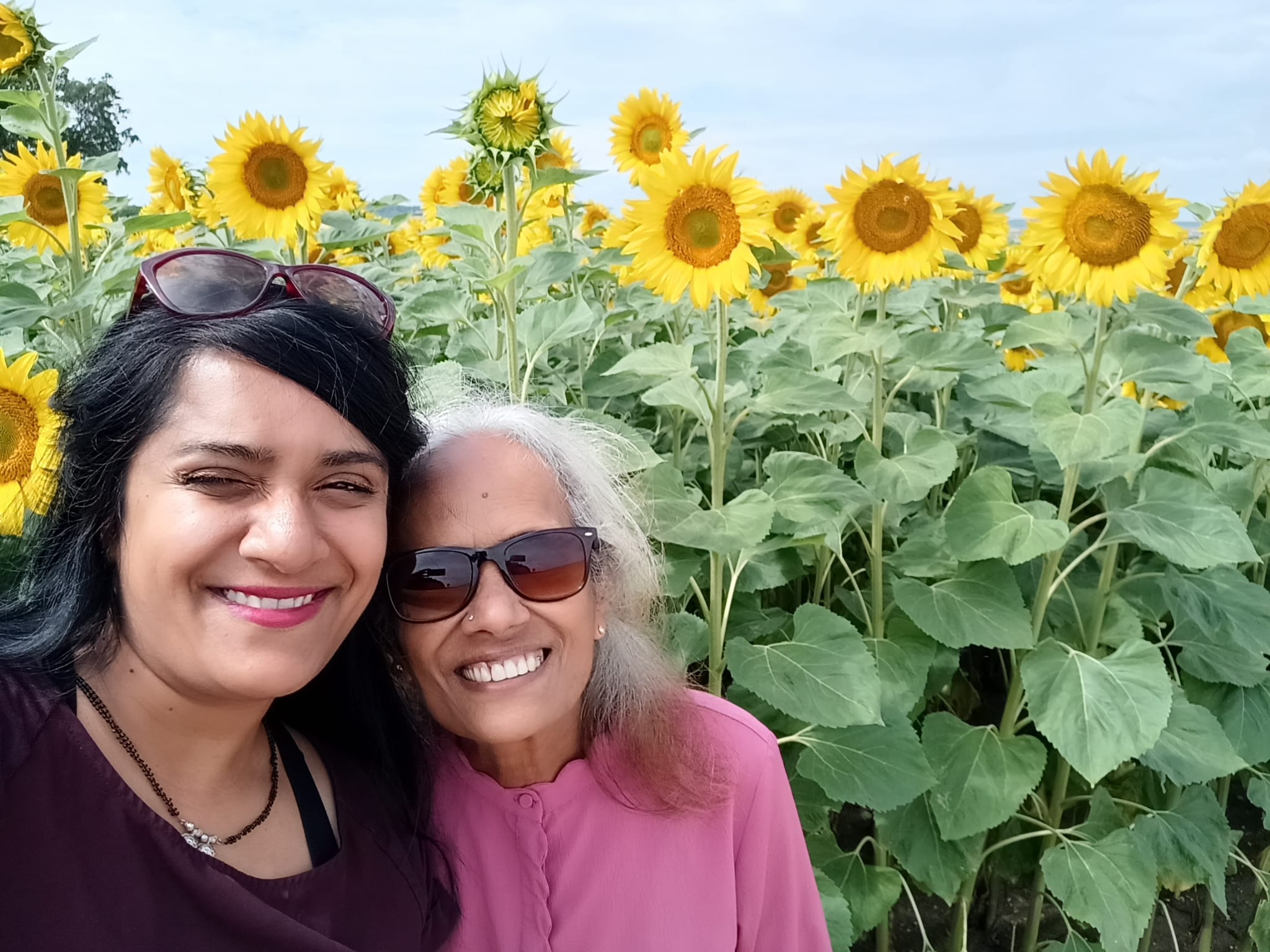
Trip to Laa an der Thaya, Lower Austria, with my mother.
Another important part of my life is spirituality. I am inspired by the thoughts of Swami Vivekananda, particularly the attempt to integrate knowledge, devotion, selfless action and meditation into everyday life.
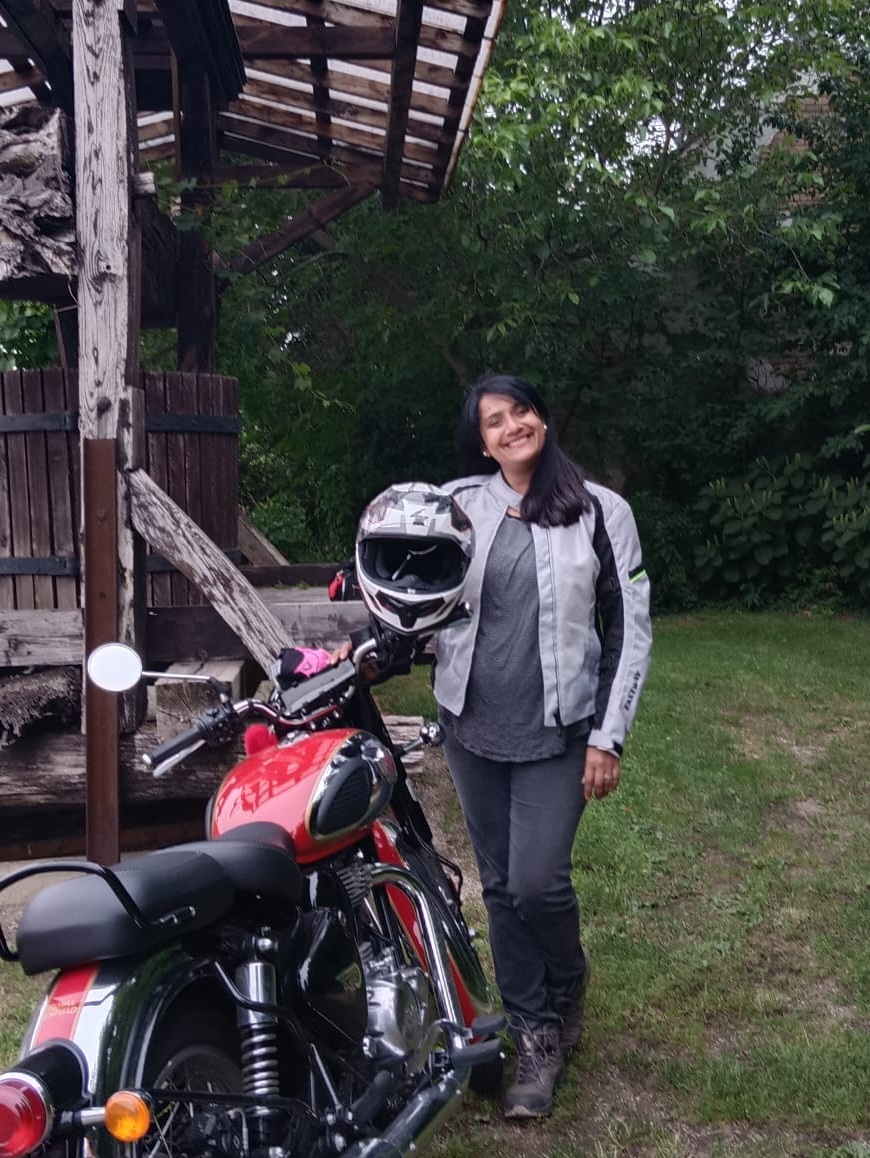
Me and my Royal Enfield Classic 350
At the same time, I am interested in other religions and worldviews. They continually remind me that everyone follows their own path in life and that it is worthwhile to meet others with mindfulness and without premature judgement.
Cooking is a way for me to be particularly creative in everyday life. I also enjoy riding my Royal Enfield motorcycle – not to collect kilometres, but because I enjoy the freedom and the experience of being consciously on the road. Music accompanies me every day: sometimes Beethoven, Tchaikovsky or Chopin, sometimes ghazals (a traditional poetic form from the Urdu and Persian-speaking world). And when I am driving, I am also happy to turn the music up and enjoy something more rhythmic.
The final stages of my mother’s, mother-in-law’s and father-in-law’s lives were formative experiences for me. I experienced how differently people approach the end of their lives and how important it is not only to consider medical needs, but to keep the whole person and their loved ones in view. These experiences continue to accompany me today and have significantly shaped my approach to palliative care.
“It is the many blows of the chisel...
....that turn a stone into a sculpture.”
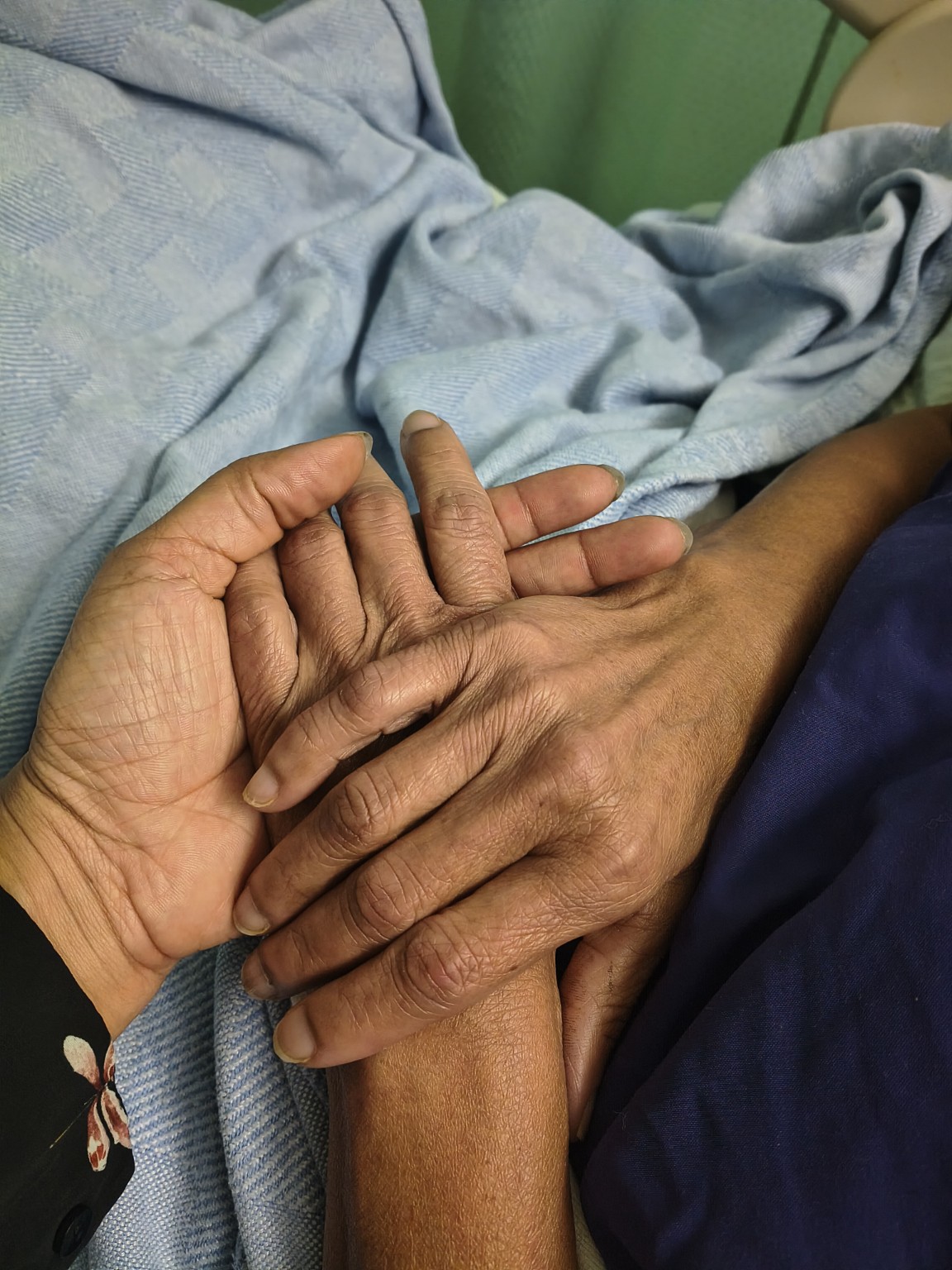
One matter particularly close to my heart is my voluntary work as a life, dying and bereavement companion with the Mobile Hospice Service of Caritas Hollabrunn. This role reminds me again and again how valuable time, listening and human closeness are. It has shaped the way I see life just as much as it has shaped the way I see nursing.
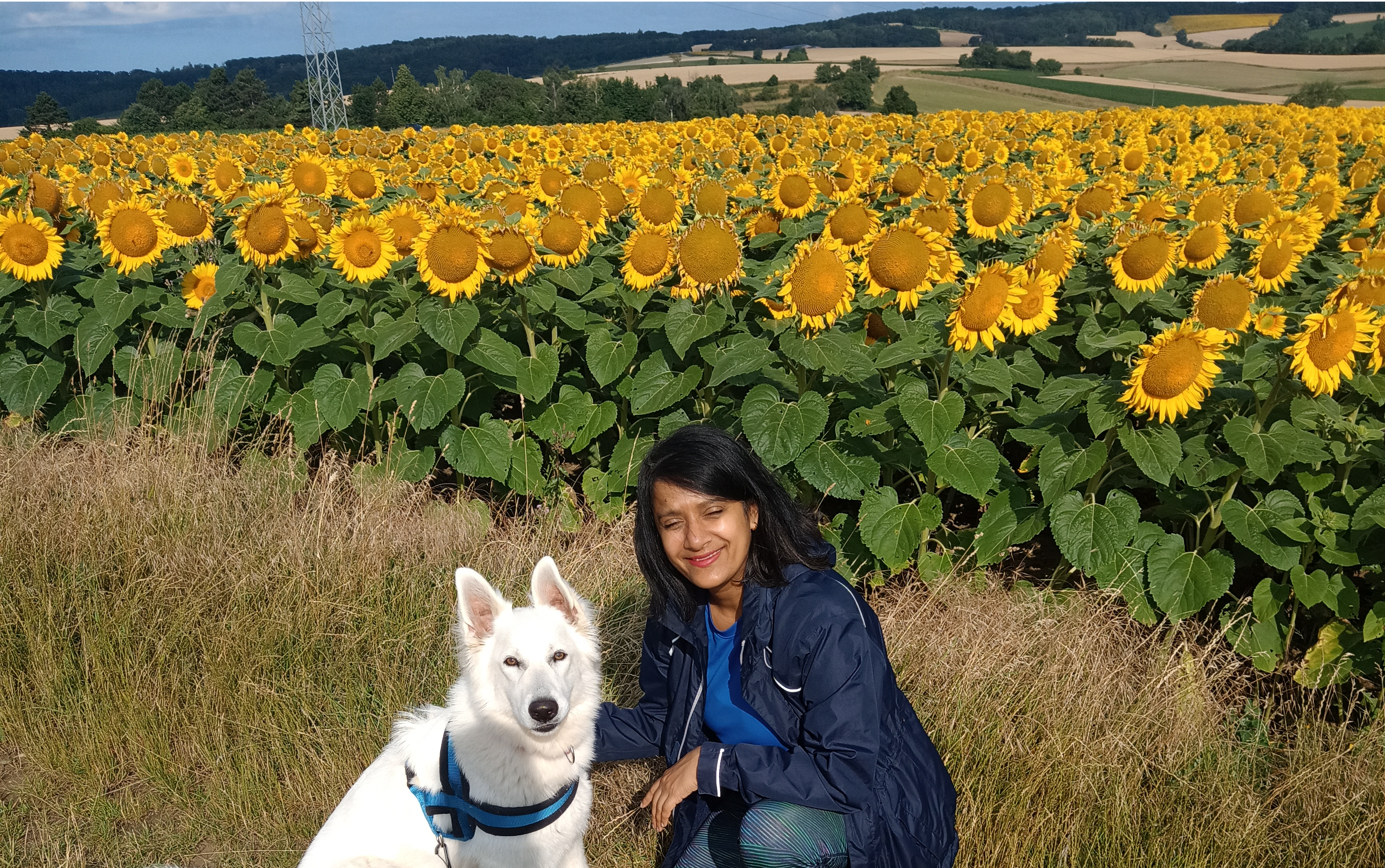
With Flauschi in Göllersdorf.
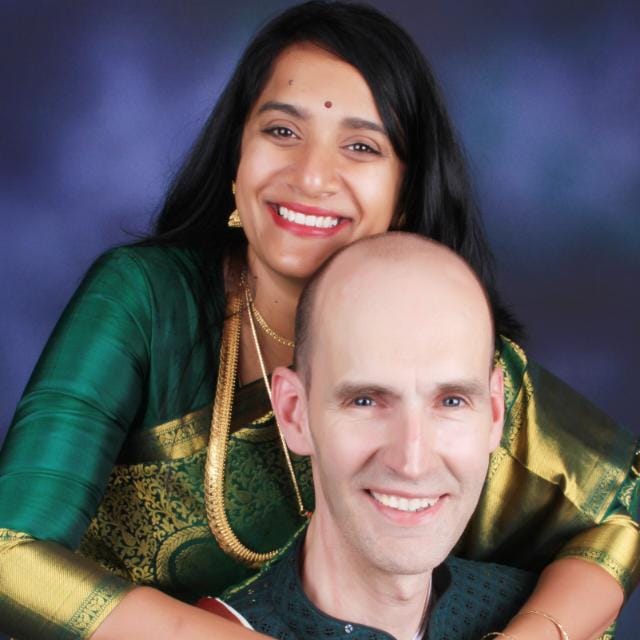
With my husband in India.
I live with my husband and our adorable White Swiss Shepherd, Flauschi, in the Weinviertel region. My husband is my greatest support – both privately and professionally. He is a jack-of-all-trades who supports me on my journey and the person behind my success. I am deeply grateful to him for that!
How WundPal Came About
WundPal was not founded because another wound care specialist or another home-care service was needed. WundPal was founded because I am convinced that behind every wound is a person with their own story, needs and individual ideas about what matters to them. For me, good care therefore does not mean telling someone what they need. It means listening, finding out together what is important to that individual, and providing professional and compassionate support. With time, understanding and guidance – and with the trust that makes such support possible.
My Values
Competence
Continuous professional development builds expertise that I consciously bring into everyday care for your benefit.
Compassion
Even when your illness, wound or symptoms take over your everyday life, you remain a person to me.
Trust
Openness, honesty and reliability are the foundations of our cooperation. You should feel safe and know that your questions, concerns and decisions are respected.
My Approach
A form of care in which every person – regardless of where they live – has access to professionally sound, guideline-based and compassionate care.
I want to contribute to ensuring that guidelines do not remain only on paper. The knowledge developed by professional bodies should reach the places where it truly matters: where people live – regardless of whether they are at home in a large city or a small community in Austria.
How I Put This Approach into Practice
Click on a guiding principle to learn more.
Evidence-based and guideline-oriented
I follow current scientific evidence and relevant guidelines and strive to apply them in everyday practice. Not every recommendation can be transferred directly to every individual situation. What matters is applying professional knowledge in a way that is meaningful for the individual and realistic to implement in everyday life.
Professional quality also means regular exchange with colleagues for me. Medicine and nursing are constantly evolving. Continuous professional development and dialogue with people who share the same passion for high-quality care are therefore an important part of my work.
The person comes first
I do not look only at an illness, a wound or individual symptoms, but at the person within their personal life situation. I also take individual needs, wishes and possibilities into account.
Every person brings their own story, experiences and ideas about life and good care. This individuality should become part of our shared care.
Clear and understandable
I explain connections and my approach in a way that helps people understand what is happening and why certain measures are recommended.
In wound care, the focus is not only on the wound itself. It is also important to understand why it developed. A wound almost always has a cause. If that cause is overlooked, there is a risk that the wound will return again and again.
That is why I also look at the factors that influence wound healing. I explain in an understandable way why a wound has developed and what can be done personally to support healing or at least achieve lasting improvement.
In situations where care goes beyond wound treatment itself, maintaining and strengthening quality of life becomes the focus. Here too, it is important to adapt the goals of care to the individual's situation so that expectations and the path ahead are clear and understandable.
No one should have to suffer unnecessarily from distressing symptoms. I look for ways to bring a palliative approach into the home and make it tangible and practical where people live.
Knowledge creates security – and security helps us make the right decisions in everyday life.
Respecting self-determination
I respect people's wishes, needs, decisions and personal boundaries. I do not want to make decisions over someone's head, but rather discuss together what options are available and which of them fit the individual's situation.
It is also okay to say what someone does not want. Not every professionally possible intervention is right for every person. Together, we define goals that fit the individual's situation and personal wishes.
Particularly in palliative care, this may mean consciously focusing on symptom relief, safety and quality of life rather than carrying out interventions simply because they are medically possible.
Each person has a say in what a good and meaningful life means to them.
Taking time and listening
Good support requires attention, time and genuine listening. I want to create space for questions, concerns and uncertainties to be expressed – and also for what may not immediately be said to be noticed.
I want you to look forward to my home visits.
Professional care can be of the highest standard while also being human, warm and relaxed. It is important to me that you feel comfortable in your own home and experience our appointments not as an additional burden, but as support.
Working together, not alongside each other
Good care works best when everyone involved works together – patients, relatives, doctors, therapists and nursing professionals.
I do not see myself as an island, but as part of a shared network. Information, experience and different professional perspectives can help tailor care more effectively to each individual situation.
The person remains at the centre: collaboration should not mean decisions are made over someone's head, but rather that everyone involved works together towards a goal that is right for that person.
Keeping quality of life in mind
Healing is not always the primary goal. Depending on the situation, it may be equally important to relieve symptoms, provide security and maintain quality of life.
Particularly in palliative wound care, complete healing is not always the primary focus. Often the aim is to relieve pain, reduce symptoms, avoid distressing odours and make everyday life as comfortable as possible.
The same principle applies here: The wound does not determine my actions; the person with their individual needs and wishes does.
Quality of life means something different to every person. That is why I do not base care solely on what is medically possible, but also on what matters to the individual and what fits their life.
My Greatest Success
My greatest success is not measured by the number of dressing changes or home visitations I provide.
My greatest success is reached when you look forward to my home visits, when we have found the cause of your wound, when you understand what supports your wound healing, and when you eventually no longer need my support.
I also consider it a great success when you receive the best possible support for your distressing symptoms and in your most difficult situations – and when you feel seen as a person rather than being reduced to your symptoms.